Case study 005, community
Hackathon landing, 5 cities, 12 hours.
I started the site for The Next Craft, a 12-hour Crafter Station hackathon held in person in Lima, Bogotá, Guatemala, Arequipa and El Salvador on August 29, 2026, built its Commodore 64 design, and wrote many of its decks.
- Role
- Design engineering on the landing, the design system and the decks, Crafter Station. Team: the Crafter Station team. Timeline: June 7 to August 29, 2026.
- Problem
- One site had to carry tracks, agenda, prizes, sponsors, FAQ, organizers and the application path for 300 spots across five cities, without looking like every other hackathon landing.
- Decision
- I dropped my first design the same day for a Commodore 64 boot-screen system, and tied its brand book to the live stylesheet so the two can't drift.
- Result
- The site I started is live at thenextcraft.crafter.run, and on August 29, 2026 I published the deck that announced each city's champions.
Context
What the event needed
The Next Craft ran in five cities at once, from 09:00 to 21:00 on Saturday, August 29, 2026, with 300 spots and teams of three to five. The site holds the tracks, agenda, prizes, sponsors, FAQ, organizers and the application path. Behind it sit the sponsor and kickoff decks, served from the same site.
Decision
Commodore 64, one warm black
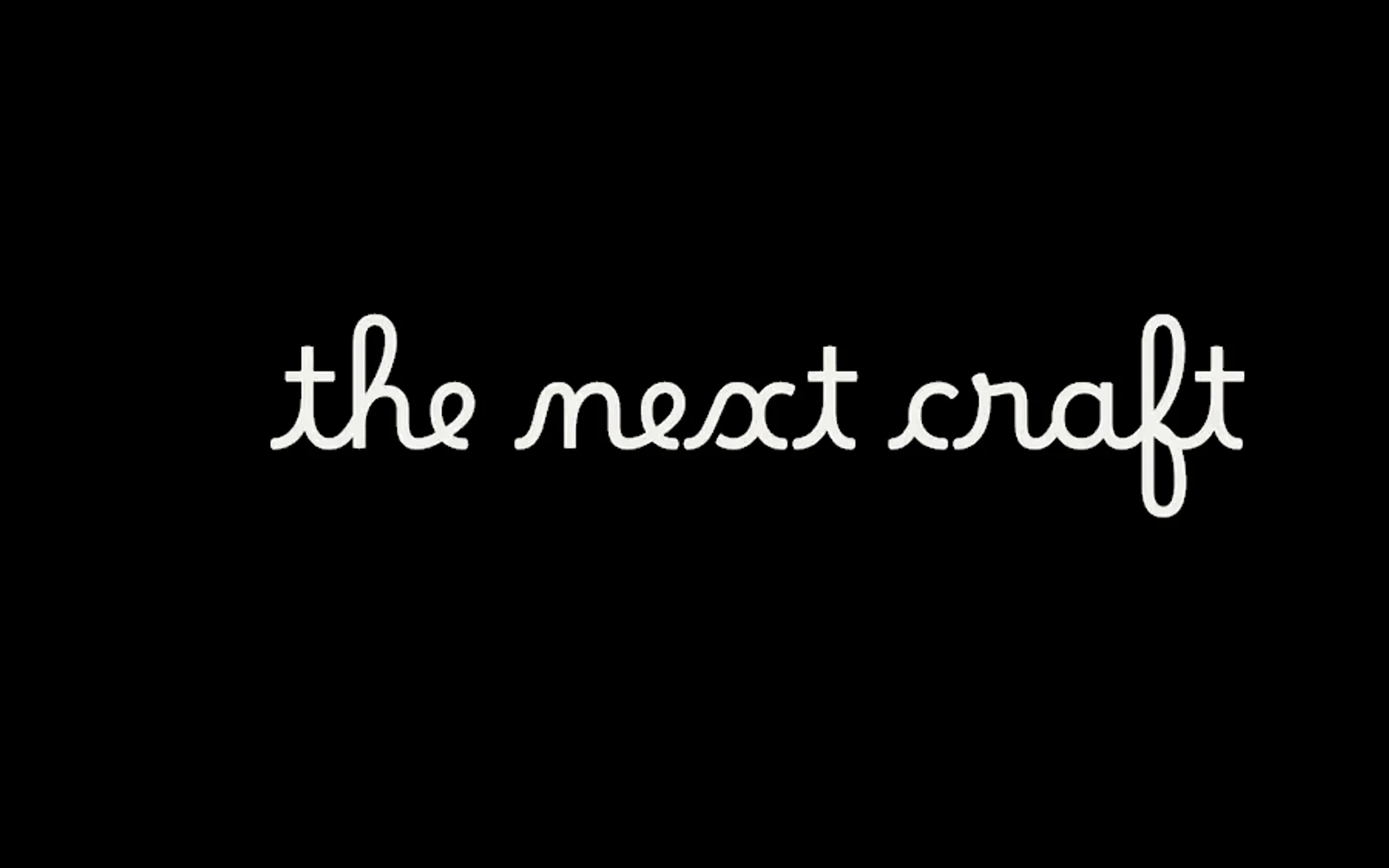
On June 7 I built a full landing in a blueprint terminal style, and later that day I replaced it with a Commodore 64 boot-screen design system. It uses a single warm black, Silkscreen for labels, Borel script for the name, IBM Plex Mono for body text, and keycap buttons, and the site still uses it. To keep the documented system and the live site from drifting apart, the brand book page reads the real tokens from the stylesheet.
Build
A 3D Commodore 64 in the header
I compressed the Commodore 64 model with Draco from 99.7 MB to 2 MB. It turns on its own, you can drag it, and the monitor shows the wordmark and a READY. prompt. I added a motion system on top of the C64 look, and later a crossfade between the Spanish and English versions using Next 16 view transitions.
Build
Registration, three times
Registration changed three times. First I built a WhatsApp bot with a scripted seven-question flow, sessions in Neon, a Google Sheet for approvals, and approval emails sent by a cron job. In June the button moved to Luma, and in August to per-city signups with an August 20 deadline. Until the real WhatsApp number existed, the button fell back to a form, so the site never showed a placeholder number.
Build
Decks
The team built the deck system: MDX slides compiled at build time, with a fixed set of slide components. I wrote many of the decks, including partnership decks for Deel, Lenovo, Vercel, Yape, Big Boy, Entel and Lemon, kickoff decks for Bogotá, Guatemala, El Salvador and Arequipa, workshop decks, a finalists deck, and the deck that announced each city's champions. I also added rules for how much goes on a slide and a standard closing slide.
Decision
Drop stale copy instead of shipping it
When I merged the redesign, the English and Spanish copy on main still had old event details, so I removed that first i18n setup rather than publish wrong facts. Bilingual support came back later with current copy. In event week I added track details with examples, added an explainer for the six finalists, and published the judging rubric on the landing.
Result
Result
The site I started is live at thenextcraft.crafter.run, and on August 29, 2026 I published the deck that announced each city's champions.
Next case
Mortgage AI