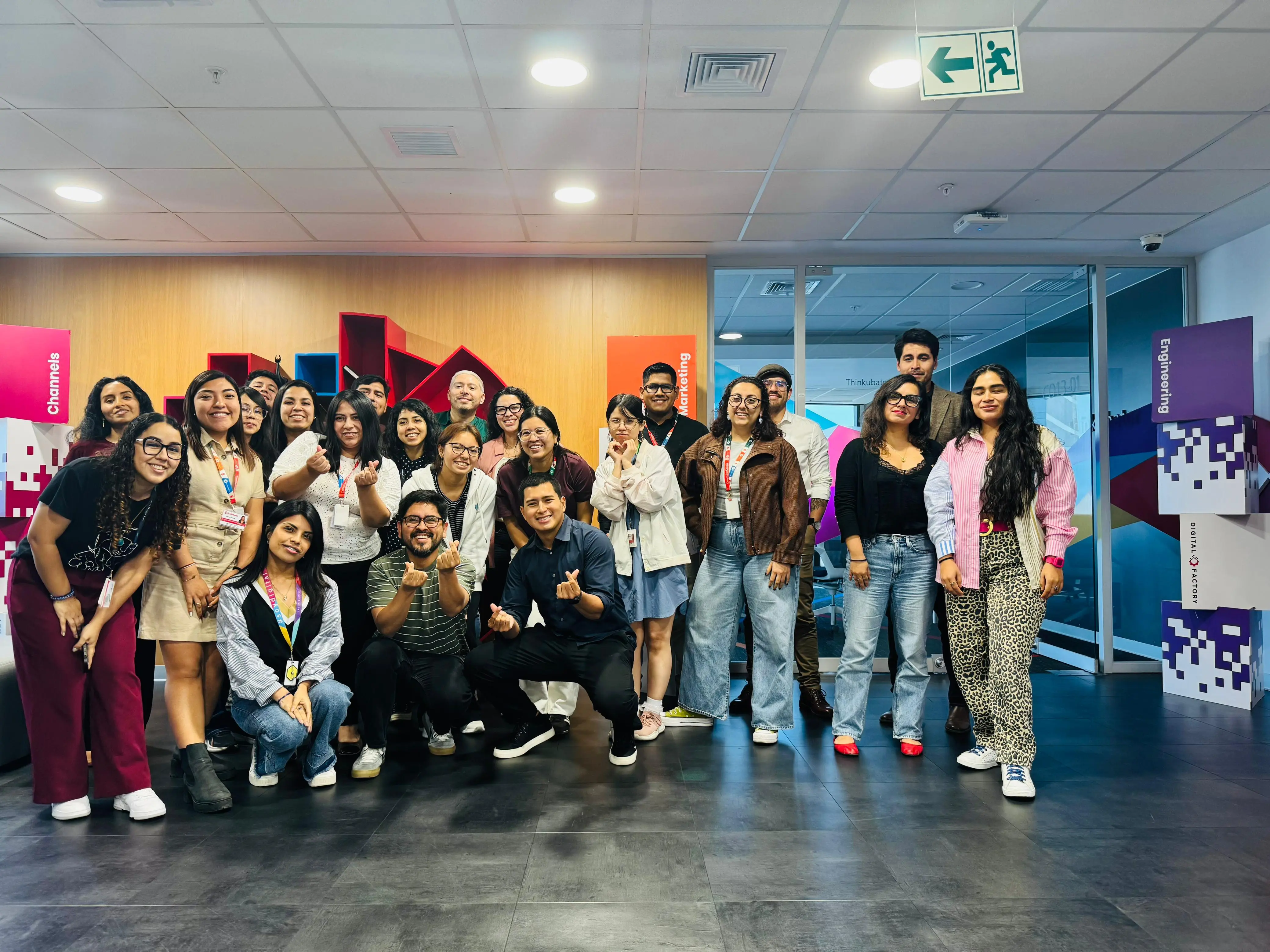
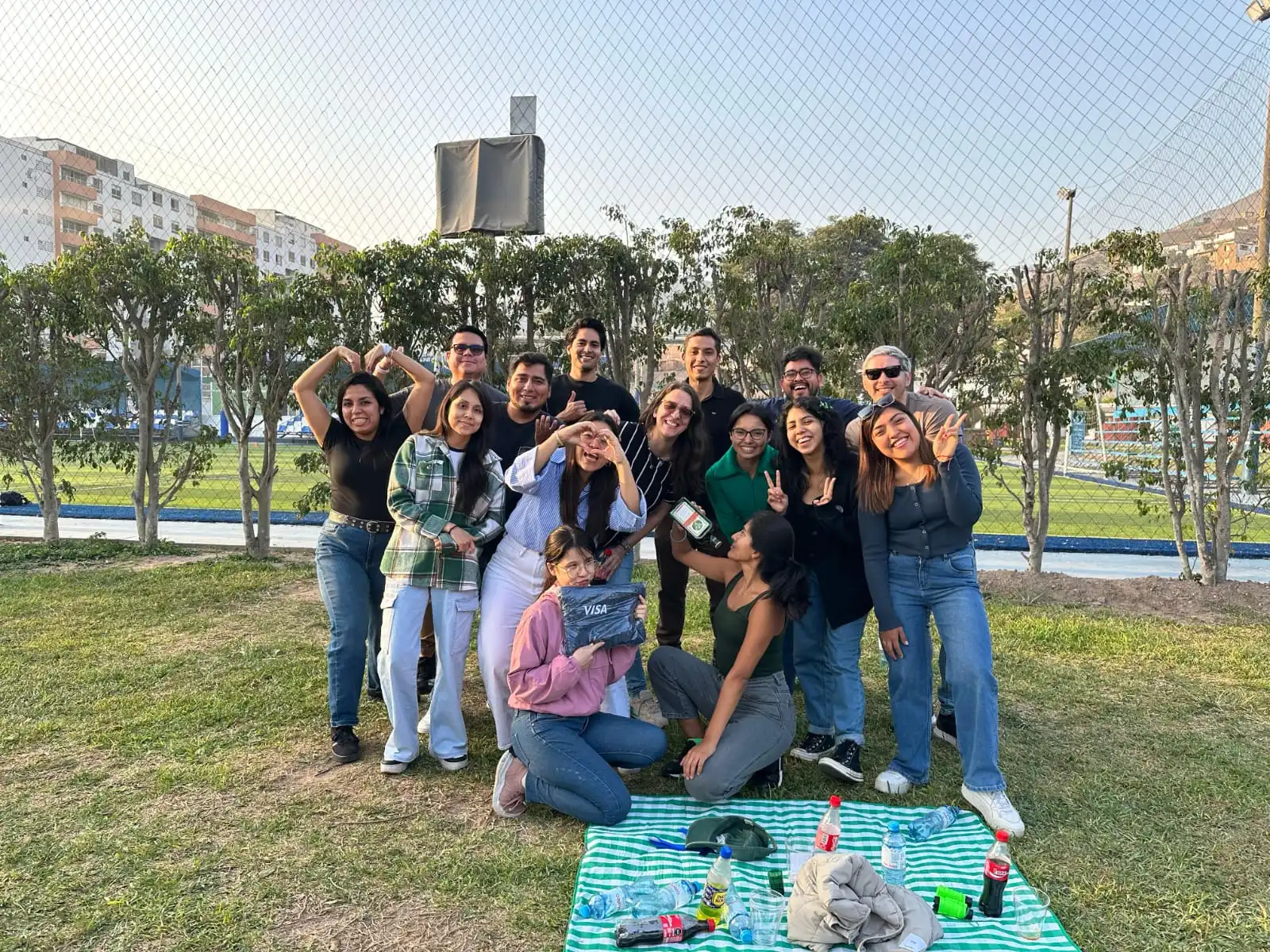
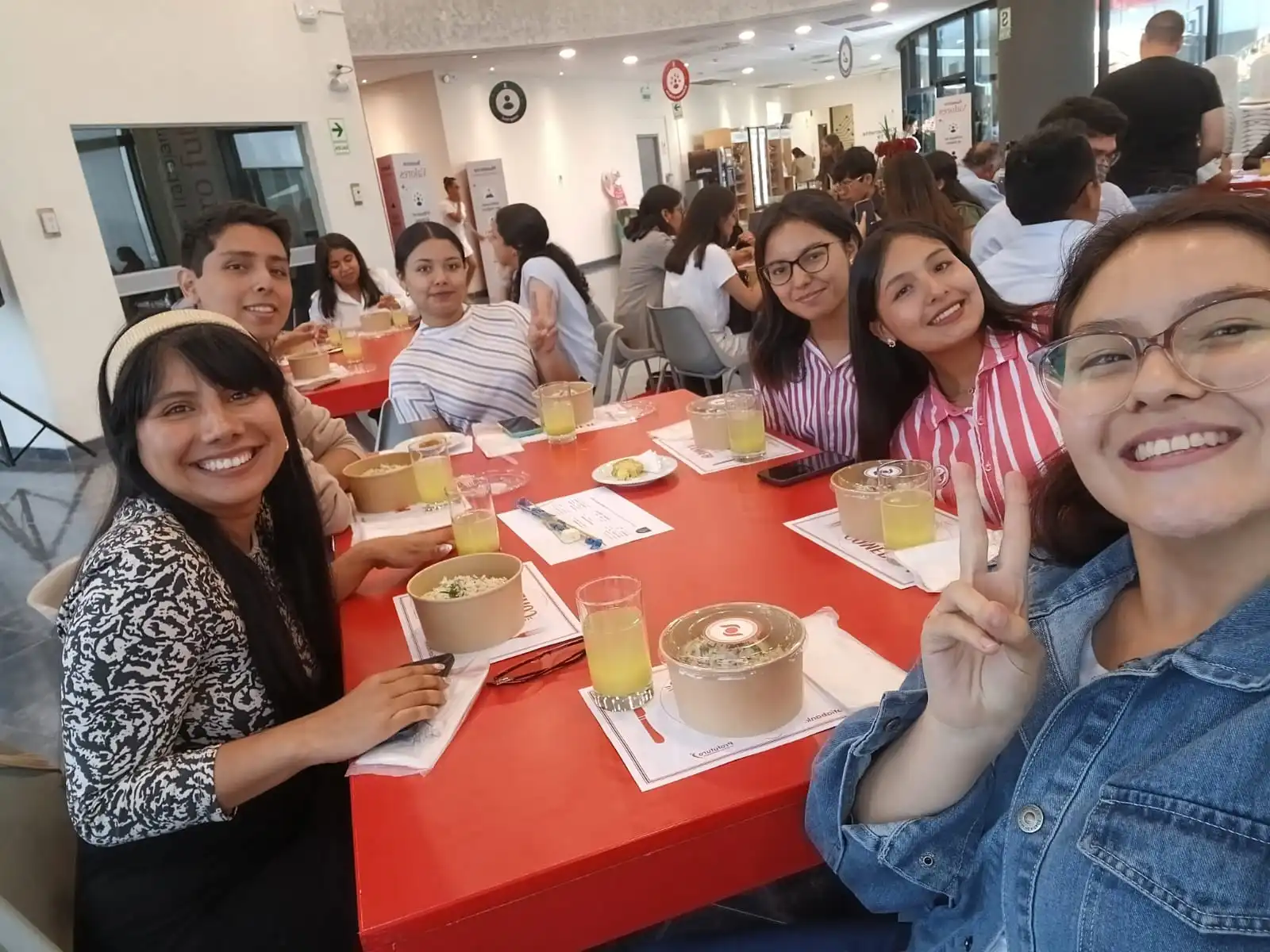
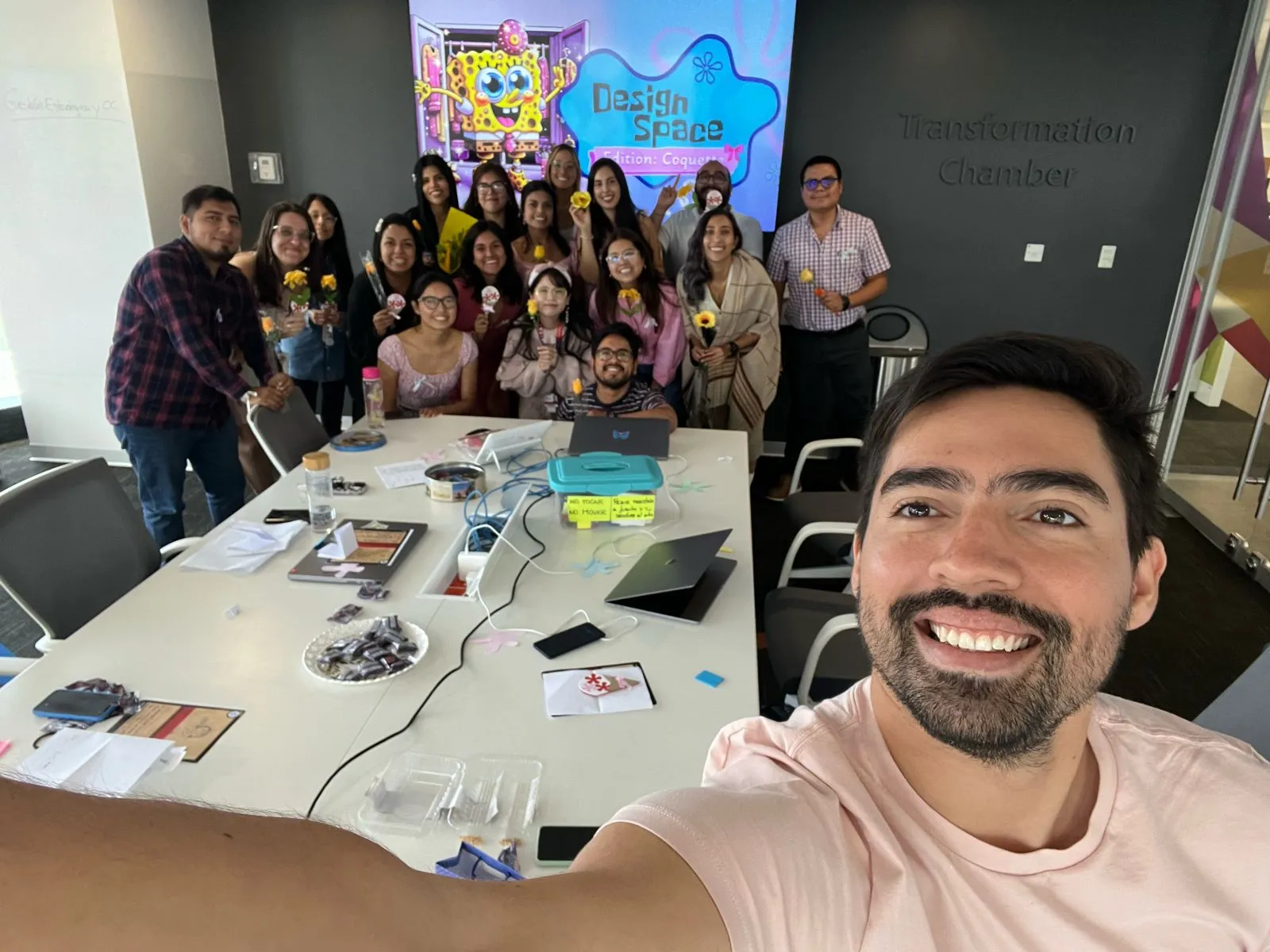
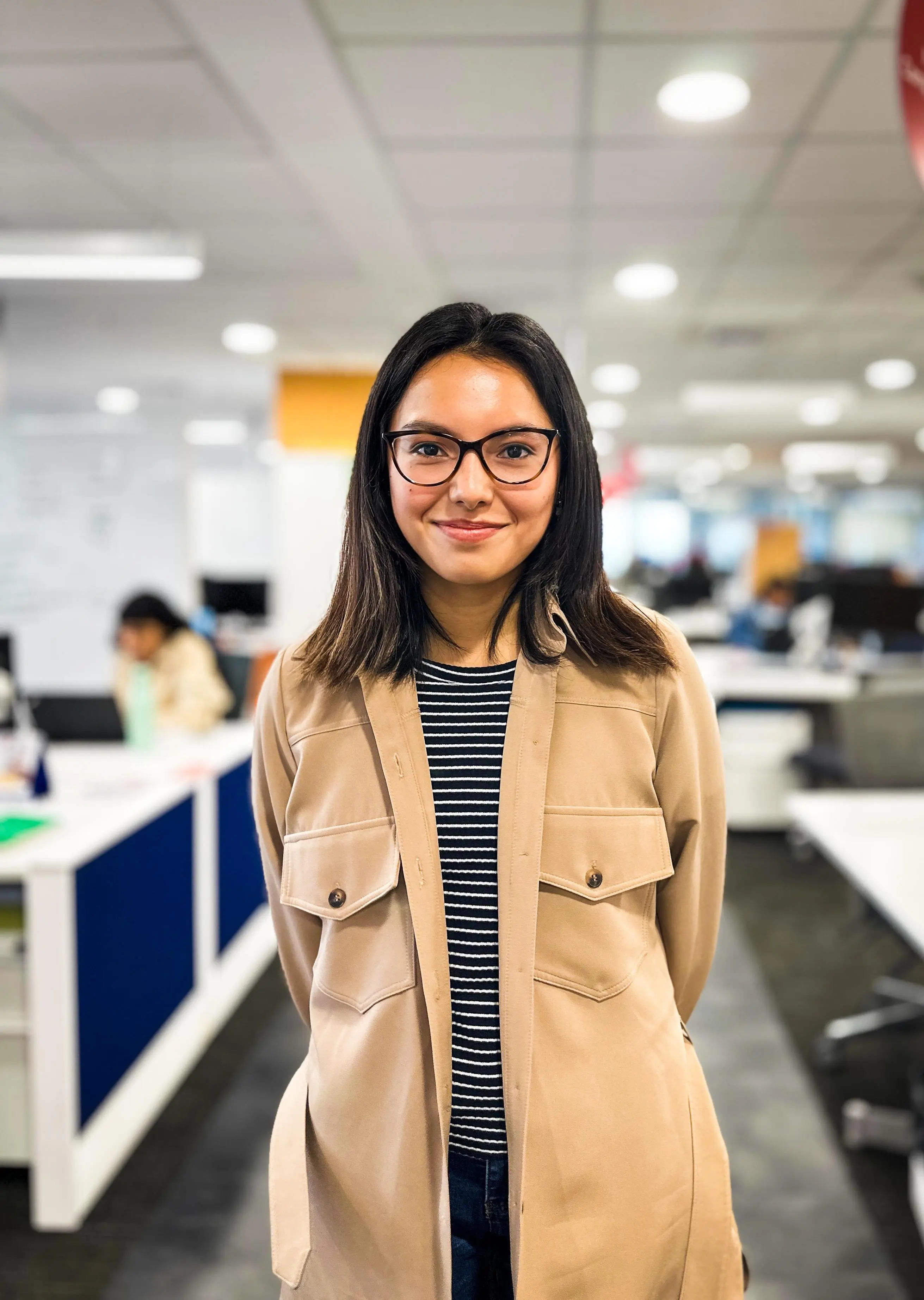
Three years have passed since I started at Scotiabank Peru.
I began almost at the start of my career as a product designer. Back then, I was still figuring out what kind of professional I wanted to become. Now I feel that path more clear. So I decided to write down what I've learned.
If I ever become a leader, I want to be the kind who gets her hands dirty
The best leaders I've known don't just approve things. They sit next to you, open Figma files and ask questions.
I'd spent weeks on a flow. Like, really thought it through, every edge case, every state. I was proud of it. But then a new requirement came in and most of it had to change.
I remember just staring at the screen and feeling some sort of frustration.
But my leader pulled her chair over. We opened the file together, broke everything down and questioned every single step out loud. No pressure, just thinking together. A couple hours later we had something that actually worked a lot better.
If one day I lead a team, that's the kind of leader I want to be. I want to still design and build stuff. I want to think alongside people and not above them.
Not all days are good, but I can always improve
At one point I got really excited about a project and poured a lot of energy into it. I genuinely thought I was being proactive.
But it wasn't the priority. And while I was focused there, other things that actually needed attention moved slower.
I had to have one of those uncomfortable conversations with my manager. The kind where you leave feeling a little weird for a while.
After the meeting, we aligned expectations, spoke with other teams and adjusted timing. And the next day I just showed up and tried to do it a little better by prioritizing and moving as fast as possible.
I've also had the opposite days. The ones where someone congratulated my work in public or told me I was doing great in a project. Both kinds of days exist and neither one lasts forever. But what I have in control is what I do tomorrow.
Not every battle is worth fighting. Learn which ones are.
Working in a large corporate environment means understanding scale. Decisions carry financial implications, operational constraints, and reputational considerations. There are a lot of people in the room because there's a lot at stake.
I've defended design decisions like my life depended on it. But I've also sat quietly while others defended theirs.
What I learned is that you can't attach your whole identity to every decision. Sometimes you push because it genuinely matters for the user. Sometimes you step back because timing or alignment matters more right now.
It's not about winning. It's about knowing when something is actually worth the energy.
You can completely reinvent yourself without leaving
I always wanted to be known for something specific. Like, really good at one thing.
And being around people who already were that: a designer who is incredibly talented at illustration, a teammate who mastered design systems and supported everyone with structure and consistency, someone else who conducted user interviews so naturally, it motivated me so much.
I wanted that too. So I took courses, built things, researched more, and kept asking how I could bring what I was learning into our actual projects.
Usually there was space.
Being recognized as someone who cares deeply about a topic is such a cool thing. Not because you know everything, but because you keep being curious about it.
Three years later, I'm not the same person who started.
I feel like I completed something. Not just a job but something I actually set out to do. I've become more aware of the kind of designer/engineer I wanted to grow into.
And a lot of that happened because of the people around me. Being surrounded by people I genuinely admired gave me this quiet desire: I want someone to feel that way about me someday too.